This fall break, 32 juniors and seniors, including myself, traveled to England to learn more about authors and books that we have read at school. Before we could see England’s countryside and the famous city of London, we stopped in Chicago for a long transit, making the most of our time by heading into the city to see the Cloud Gate (“The Bean”) by Anish Kapoor. When we finally landed in the United Kingdom, at Edinburgh airport, we had traveled for about 36 hours. Our journey through England began from the north and we worked our way south towards London. Here are the places we visited:
Edinburgh
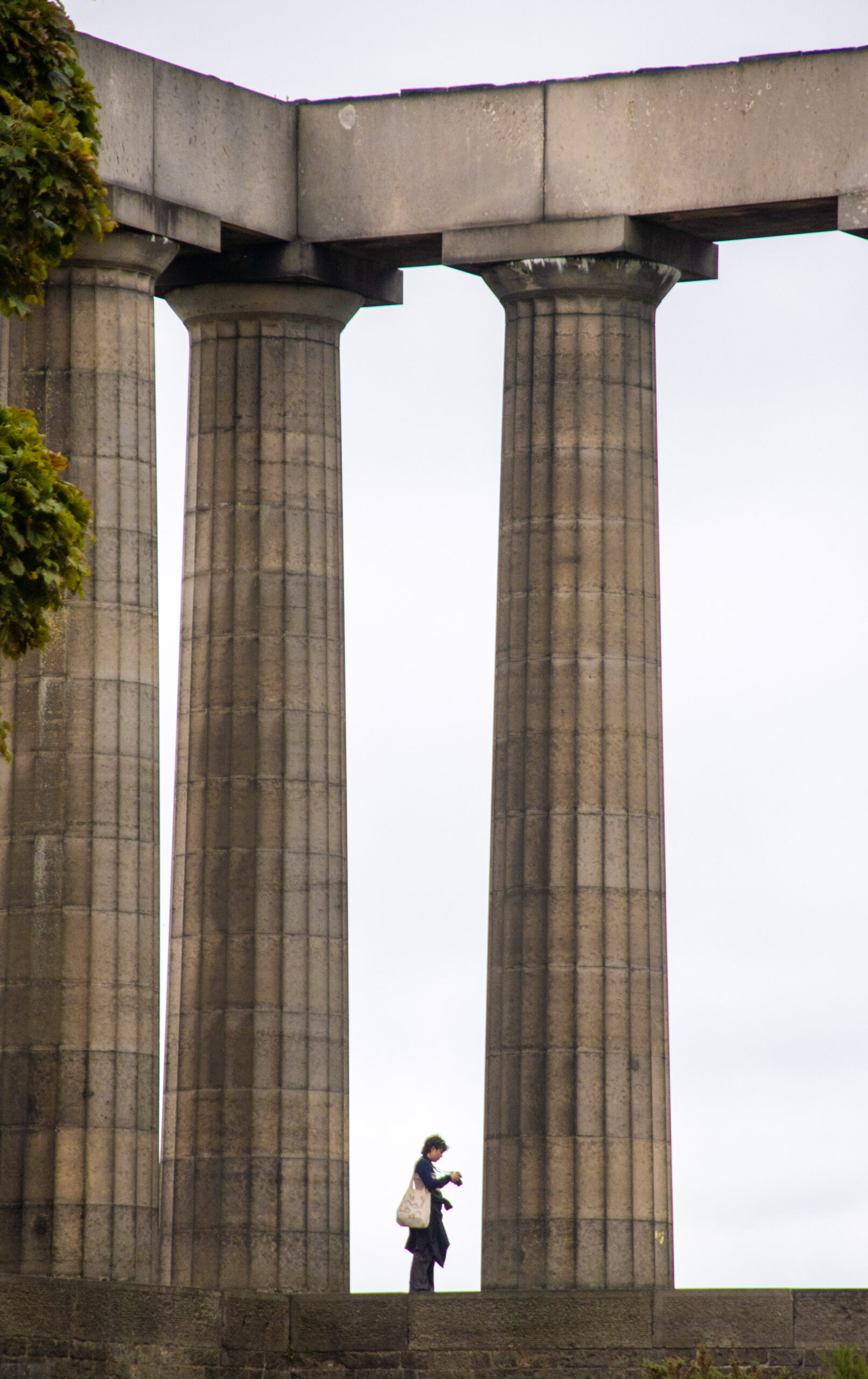
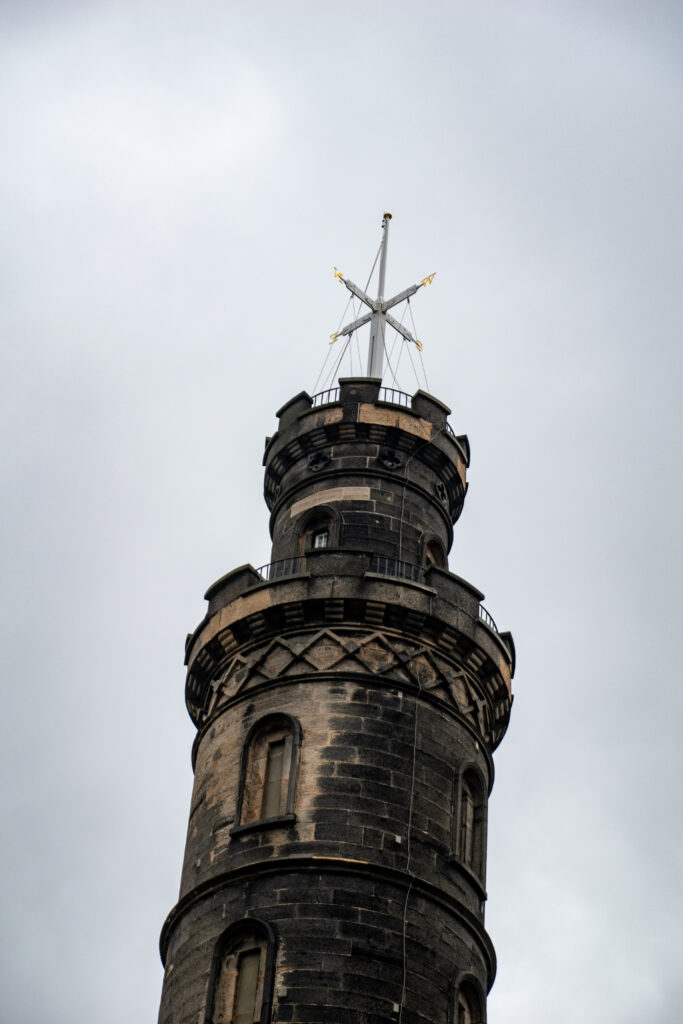
Stopping in Edinburgh wasn’t originally part of the itinerary, but it worked out nicely for us since it was on the way to our next stop, the Lake District. Arriving in Edinburgh, we were sluggish and cold in 50 degree weather, but we were excited and ready to see what the United Kingdom had to offer us. We first stopped at Calton Hill to check out a collection of monuments as well as take in the 360-degree view of the city. This was our first look at Edinburgh’s vibrant fall colors. Our guide, Seth, who met us at the airport, introduced us to the history behind the monuments and then took us to meet our local Scottish guides for a walking tour of the city.
After lunch, we hopped onto our coach bus to make our way to the Lake District, finally arriving at the Windermere Youth Hostel for our first night of real sleep on actual beds.
Lake District
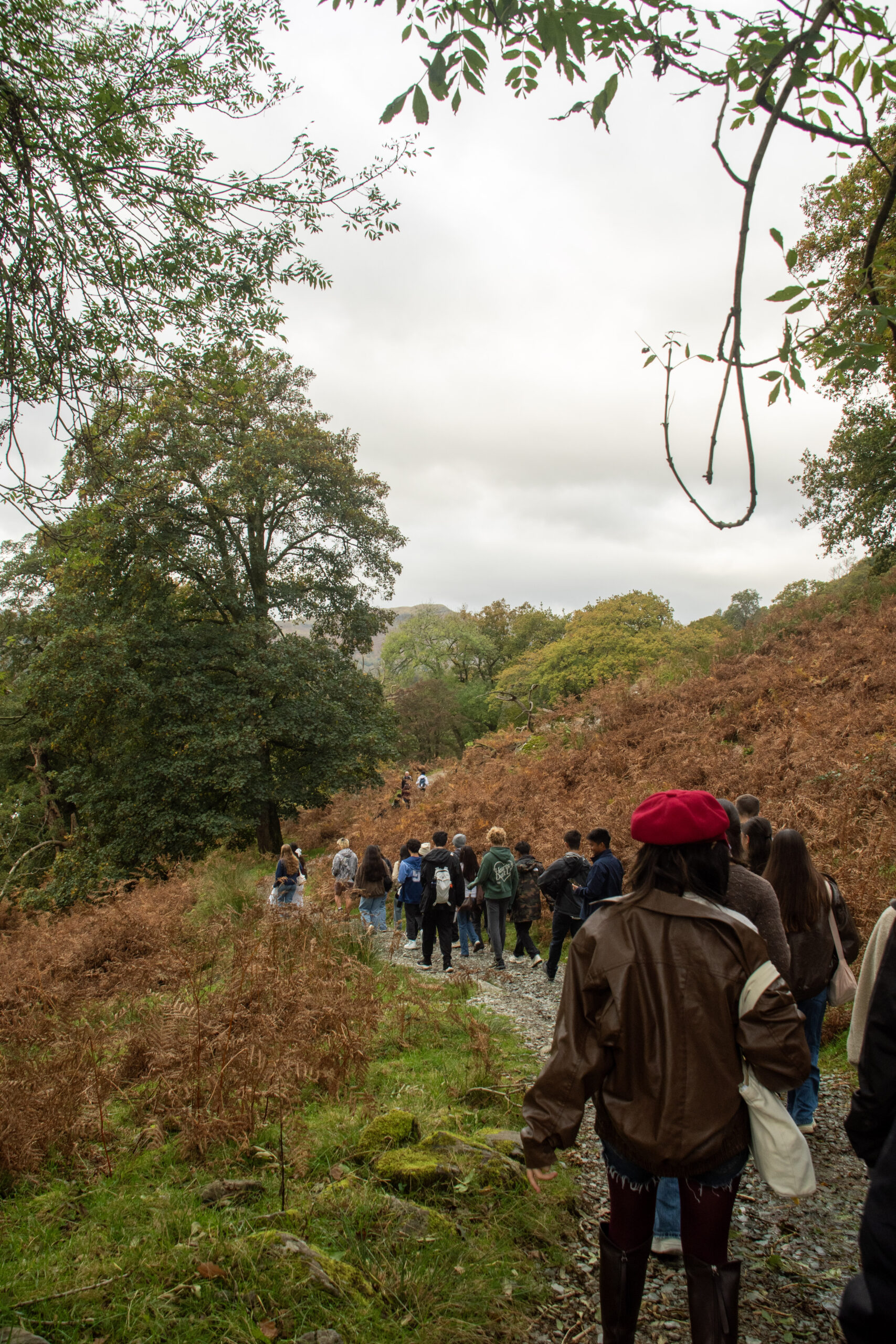
The Lake District was home to many famous poets, including William Wordsworth. Wordsworth’s family home, Rydal Mount, was our destination for the morning.
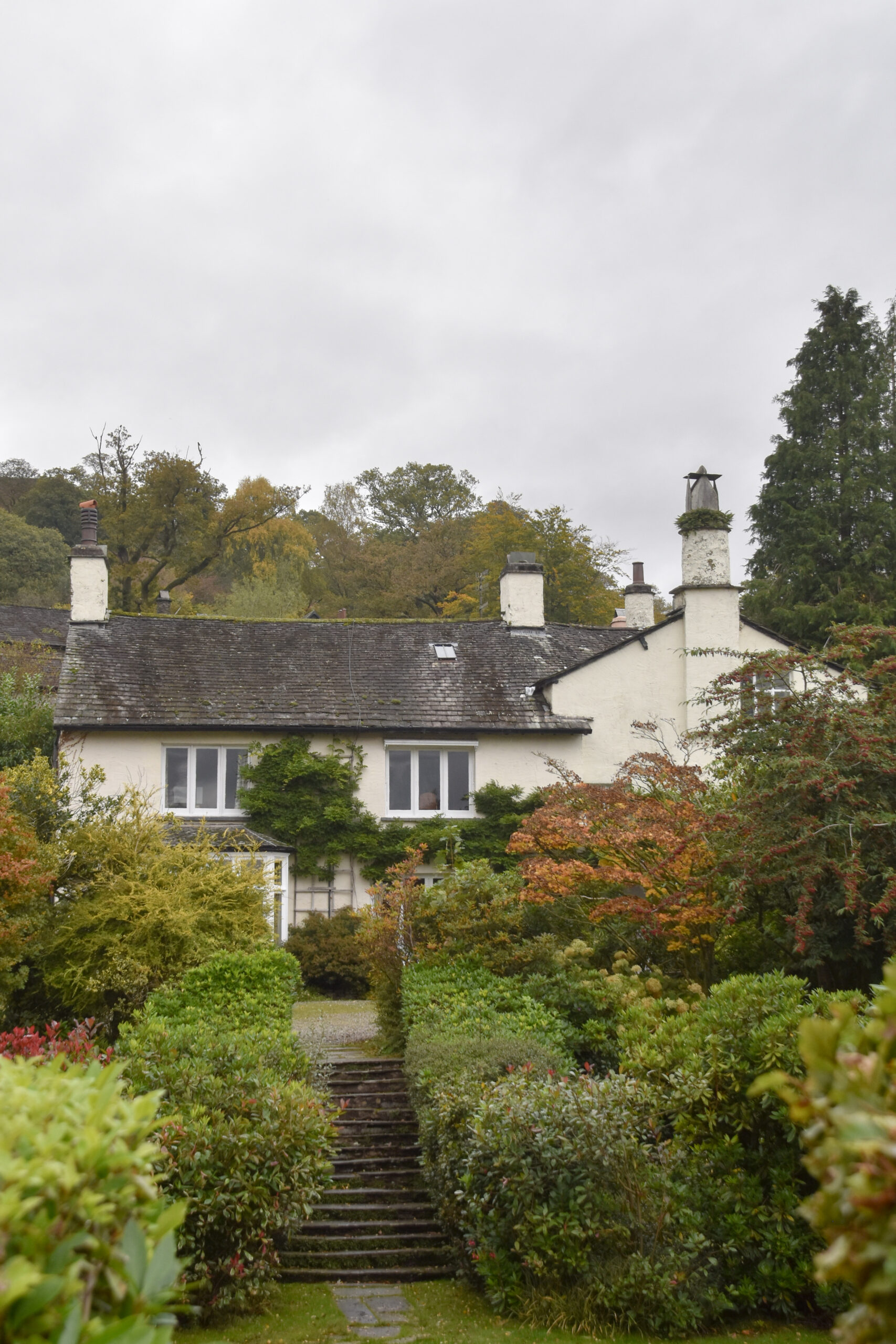

We were also tasked with writing our very own 15-line poem that will be read aloud to everyone at the end of the day. After our tour of Rydal Mount, our guide took us on a two-mile hike on the Coffin Trail behind the cottage to Grasmere, a nearby village. Mr. Jonathan Kempe, one of our English teachers on the trip, shared that he enjoyed being immersed in the literary culture that inspired the great poets. “I just like being apart from the city and seeing the countryside and all the stone walls. It was very peaceful,” he said.
Frantically tidying up our poems on the bus before arriving back at the hostel for the night, we were surprised by the arrival of a ceilidh band. In the cramped space of the hostel lobby, laughter, singing, and calculated footsteps filled the room as we all learned how to English-Country dance together in a ceilidh with a live ensemble. Mr. Ryan Frontiera, our high school vice principal and former English teacher, had arranged with our guide, who is fiddler himself, to bring in the band to surprise us. It was HBA’s first time staying at the Windermere Youth Hostel. Mr. Frontiera said, “I love that we had the whole space to ourselves and had places we could interact in. Even though people were tired [that night,] it was fun to hire a band and go dancing.” Later that evening, we finished off the fun-filled night with our poetry readings.
York
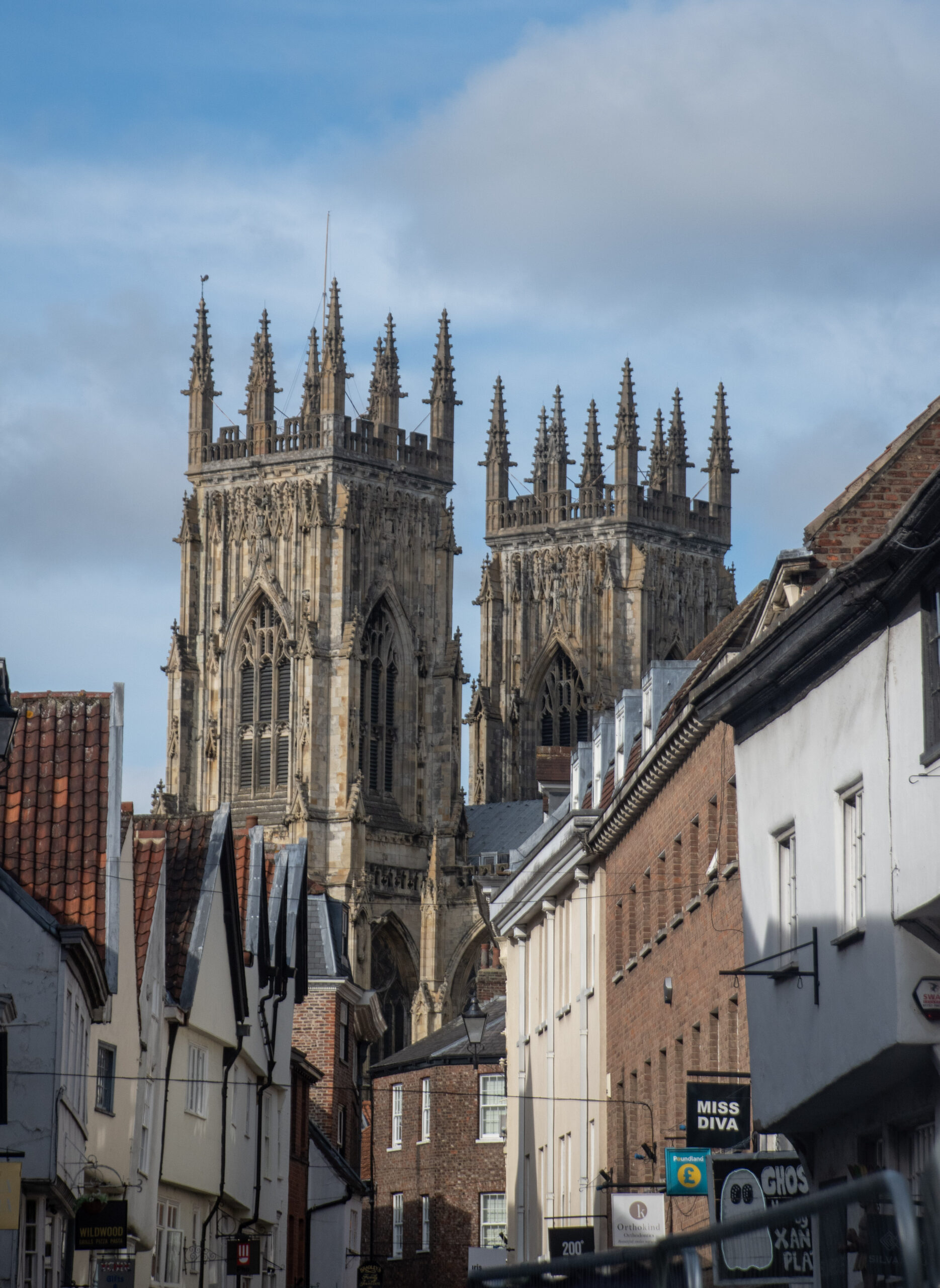
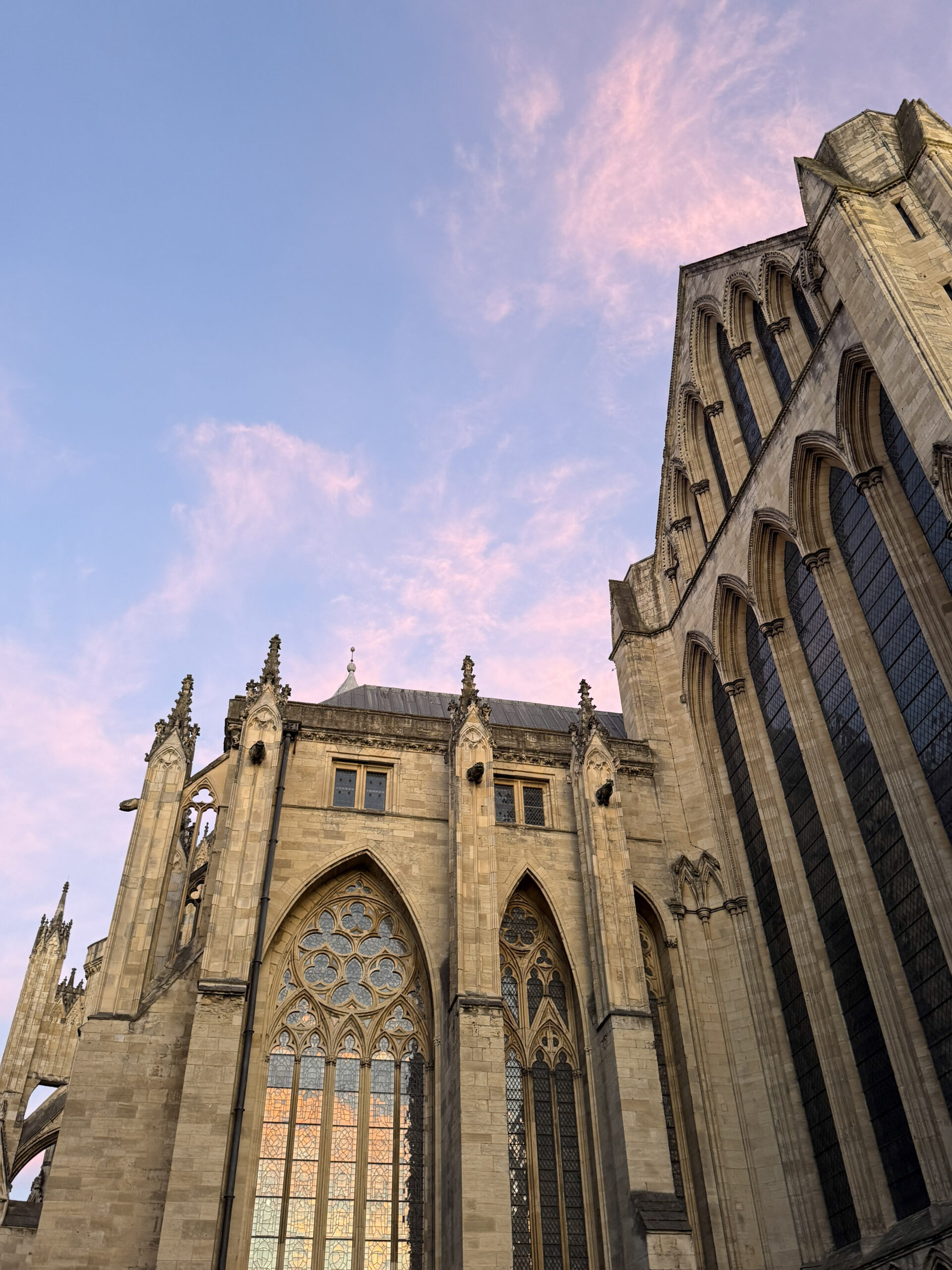
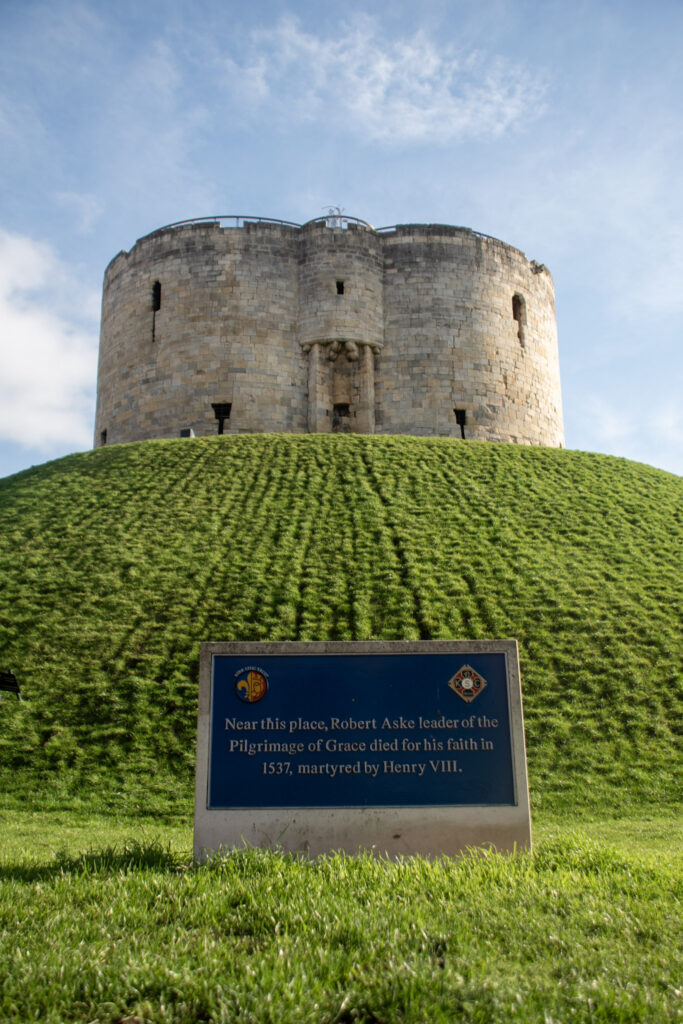
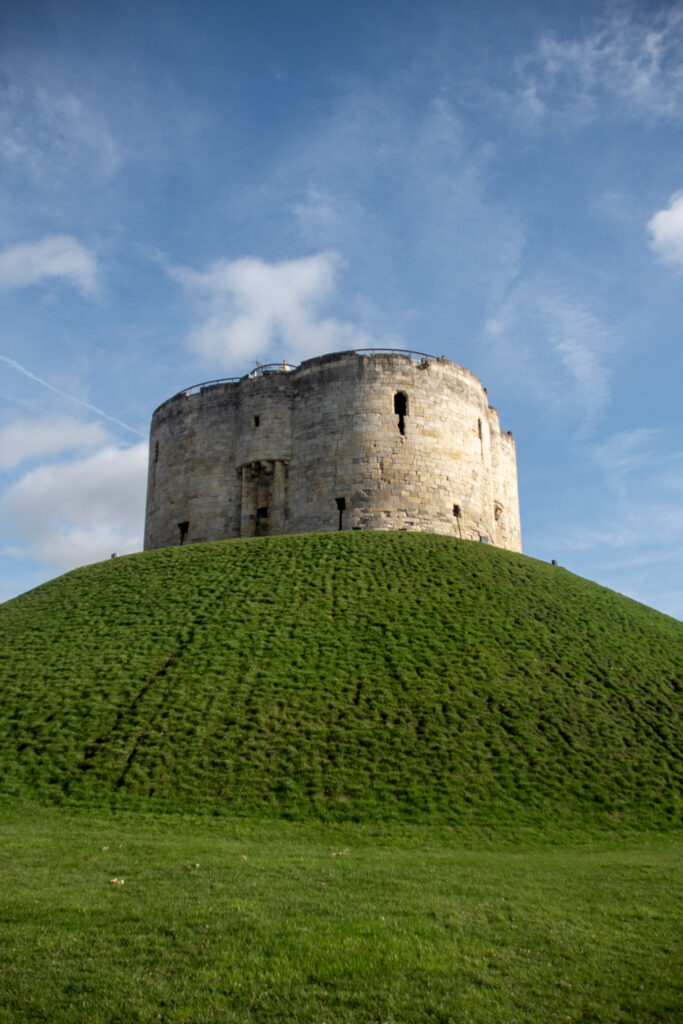
In York, we had did a walking tour to see the medieval walls that enclosed the city and to Clifford’s Tower just outside of it. We also got to see the York Minster (a Gothic-style cathedral) during sunset and everyone was struck by its phenomenal beauty as the orange glow of the sunlight fell on its stained glass windows. We also went inside the York Minster to attend an Evensong, an evening service of prayer led by a clergy member along with worship led by a choir and organ.
Haworth and Stratford-Upon-Avon
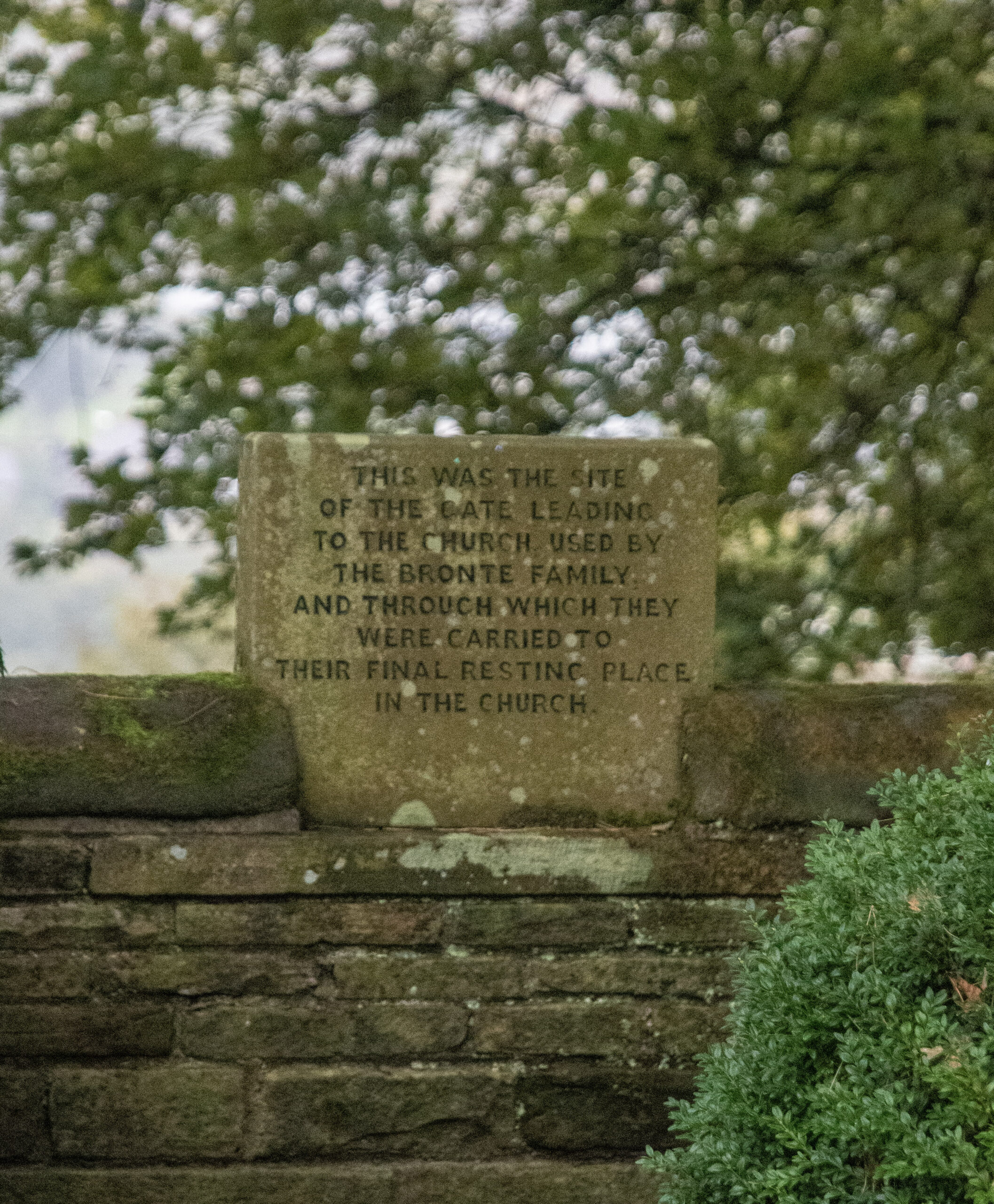
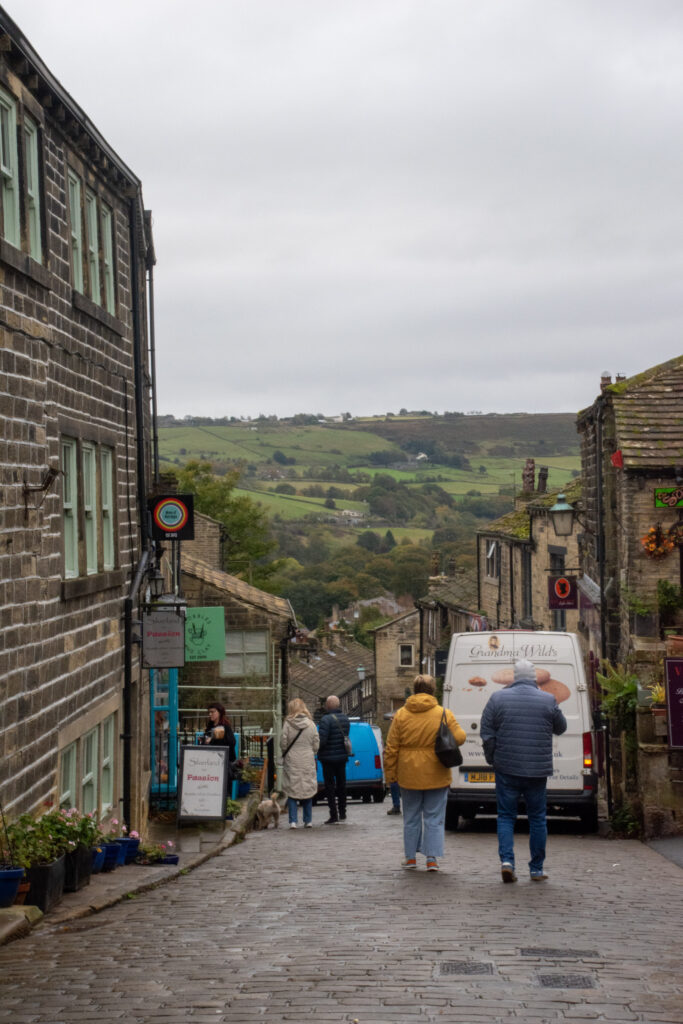
In Haworth, we visited the Brontë Parsonage and got a glimpse of how the Brontë sisters lived and saw the landscape that inspired their stories. This day was one of Kempe’s favorite. “I thought that the history [of the parsonage] is really fascinating and a little creepy, with how many people died from the practice of burying people upstream from the water supply without realizing that it was a problem,” he said.
On our way to Stratford-Upon-Avon, the birthplace of William Shakespeare, Drew Lohr, a senior, decided to read us Measure for Measure, a play by Shakespeare that we were scheduled to watch at the Royal Shakespeare Theater that night. When we arrived at the theater for the play, many of us were skeptical when we saw that it was staged in a modern setting. However, everyone left the play in awe of the actors’ powerful performance in a play that explored the themes of power and its abuse. Luckily, our hotel was right outside of the backdoor of the theater and so we got to see two of the actors as they were leaving: Isis Hainsworth (Isabella) and Oli Higginson (Claudio).
Stratford-Upon-Avon
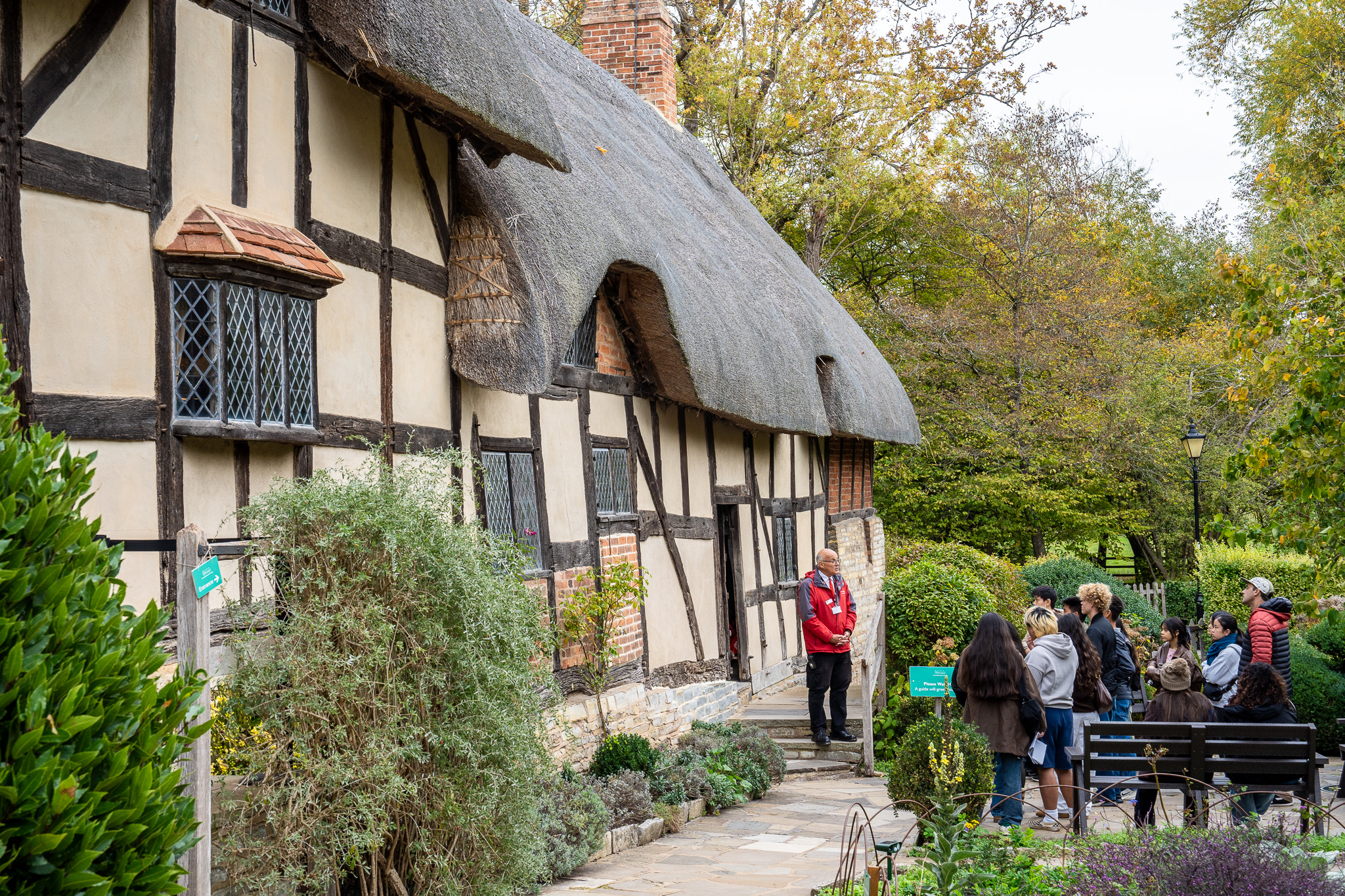
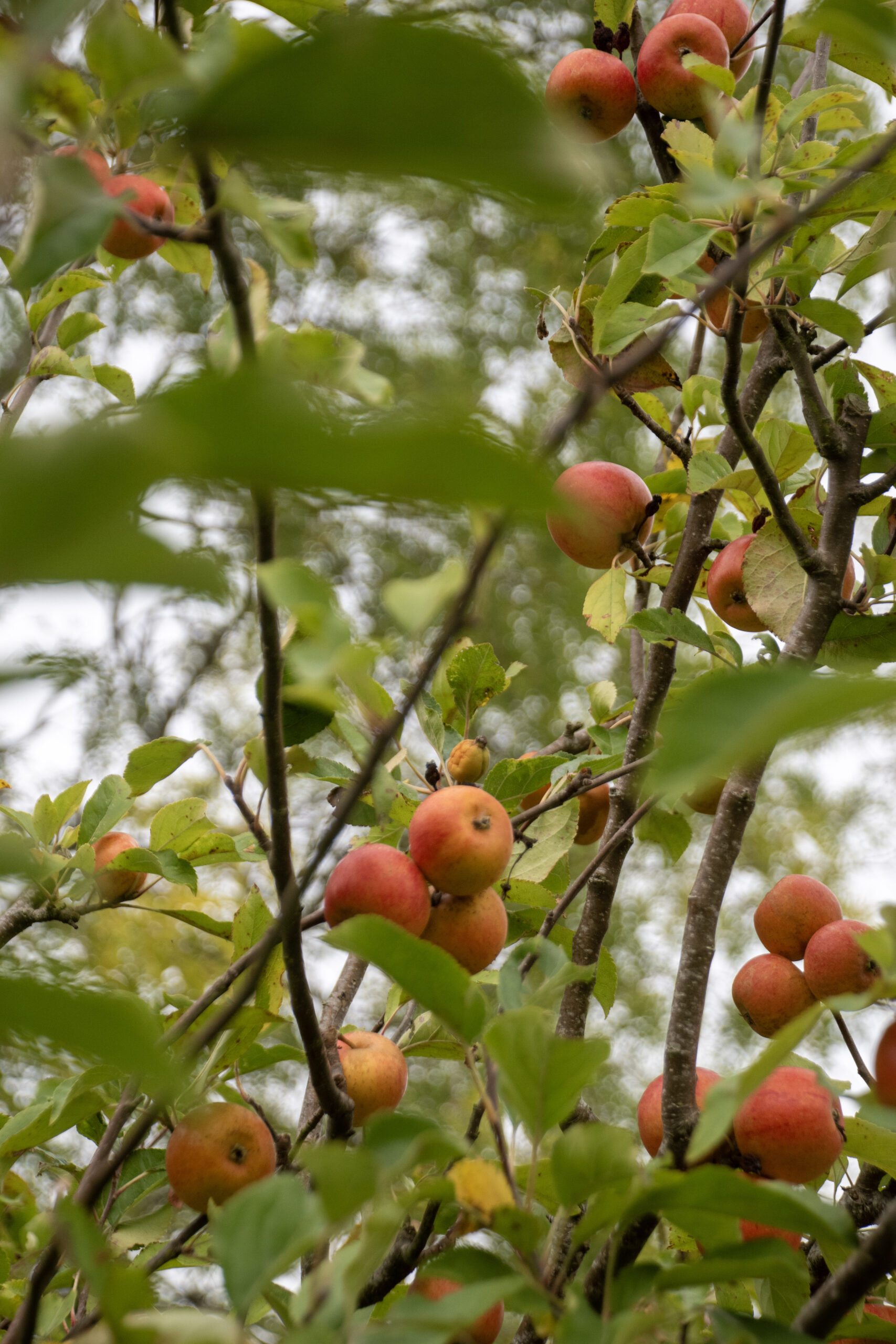
William Shakespeare has followed us through HBA as we read A Midsummer Night’s Dream in 8th grade, Romeo and Juliet in 9th grade, and Macbeth in 11th grade. 12th graders will read Othello later this school year. We stepped into Shakespeare’s life by going to his wife’s, Anne Hathaway, cottage, where she grew up and lived until she married him. We even got to pick apples and eat from the apple orchard on the property.
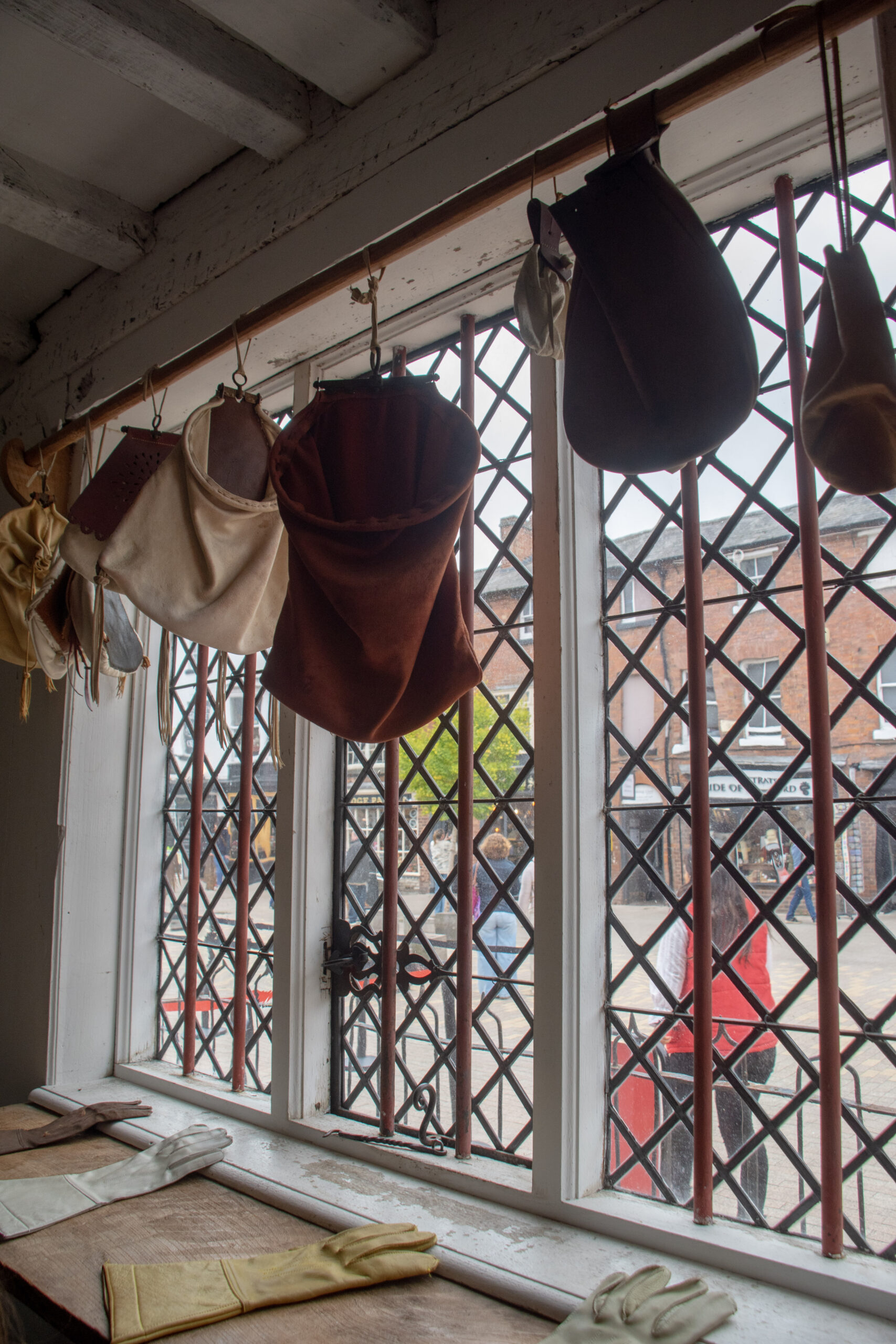
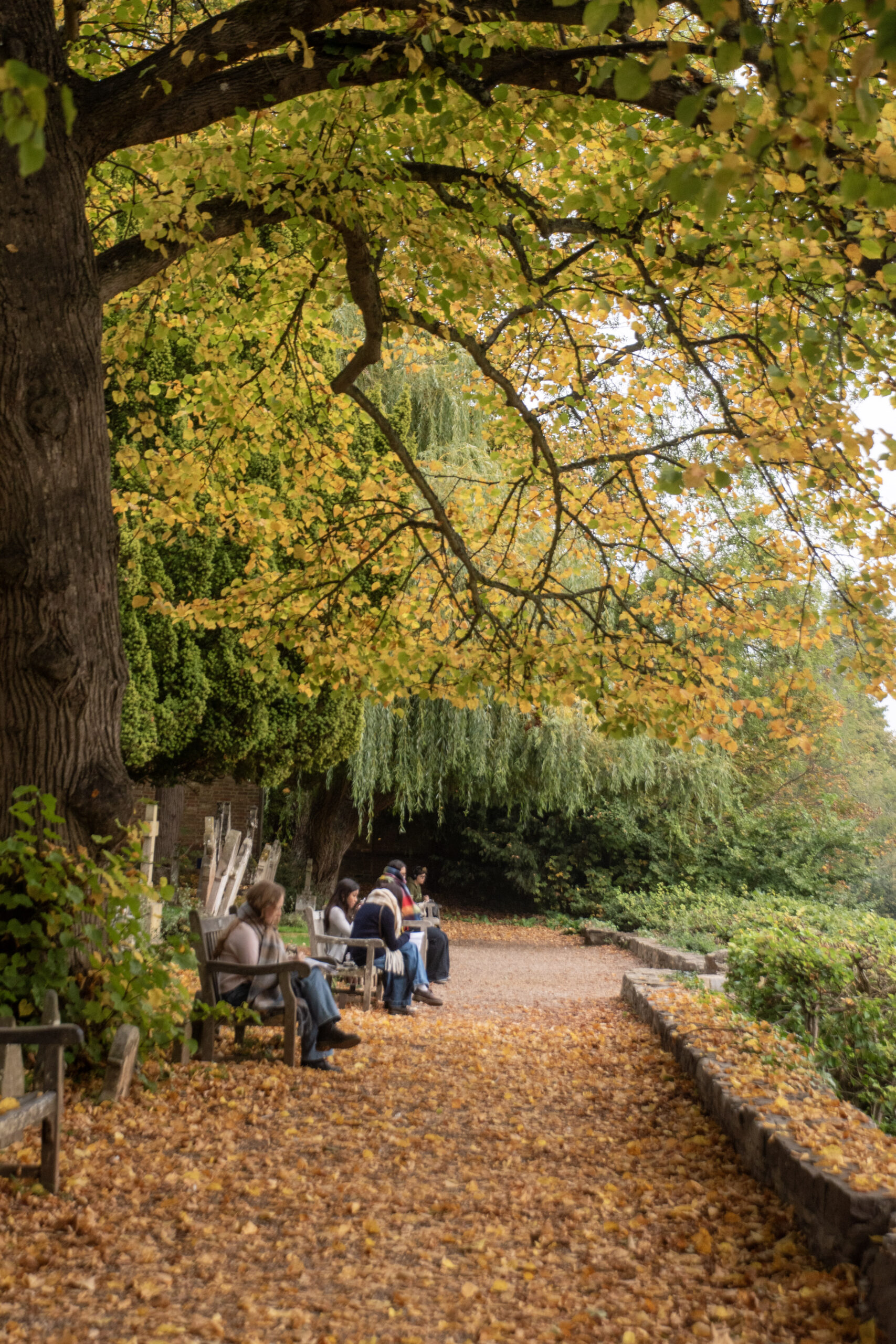
We also visited Shakespeare’s birthplace, a house in the town area of Stratford-upon-Avon, and walked along the River Avon to Trinity Church, where he is buried.
Warwick Castle
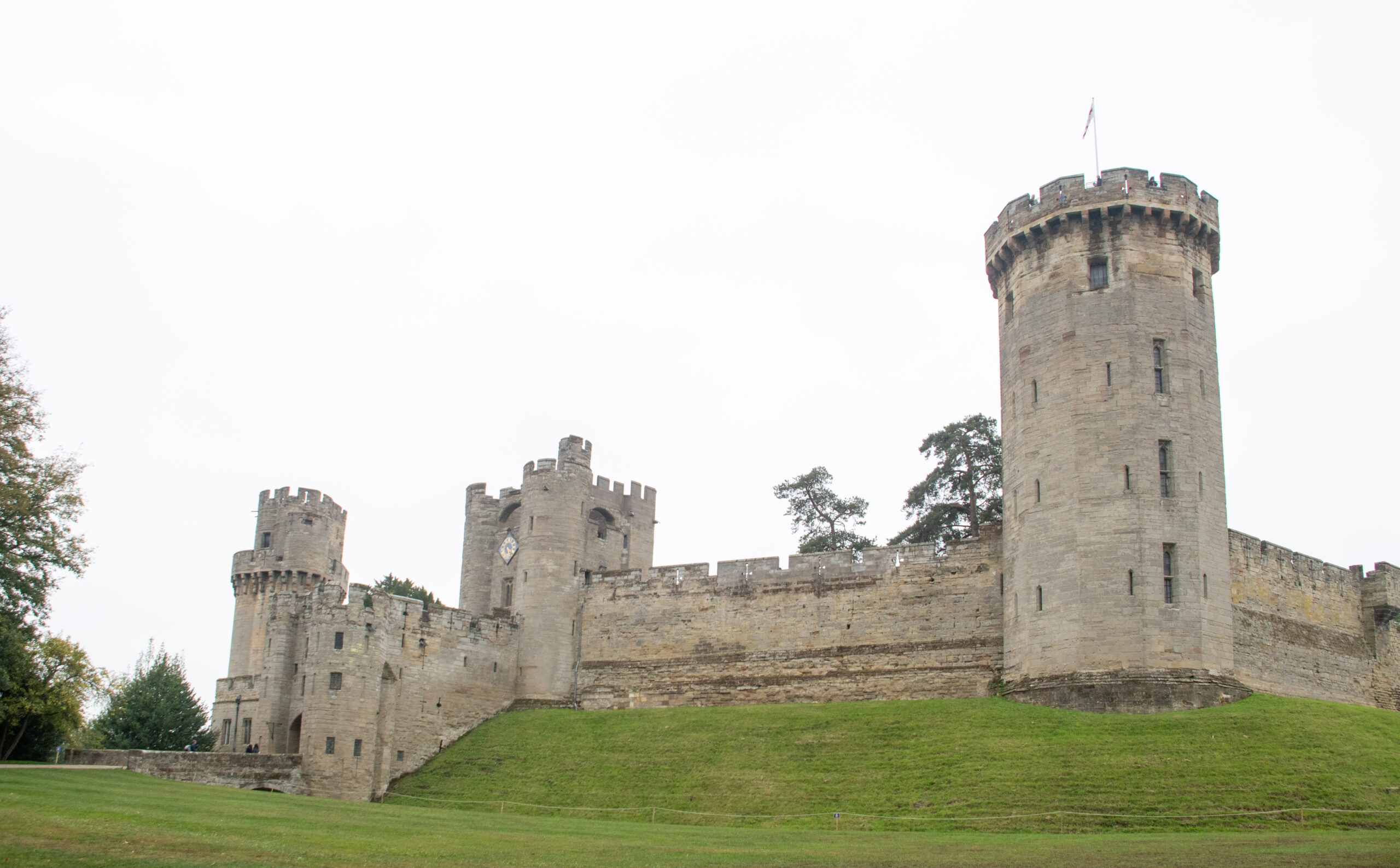
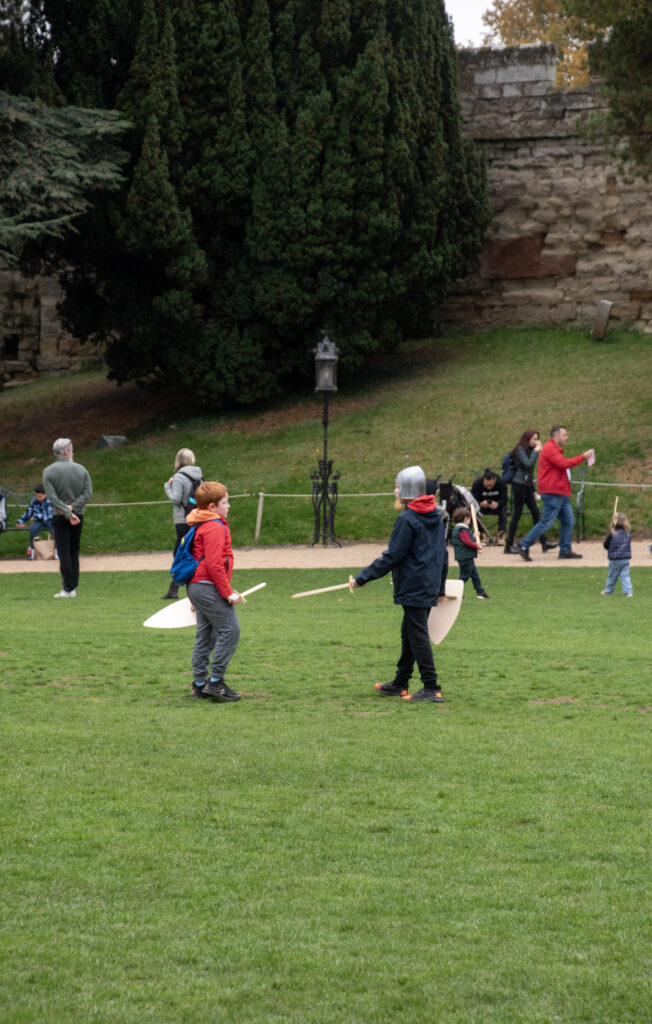
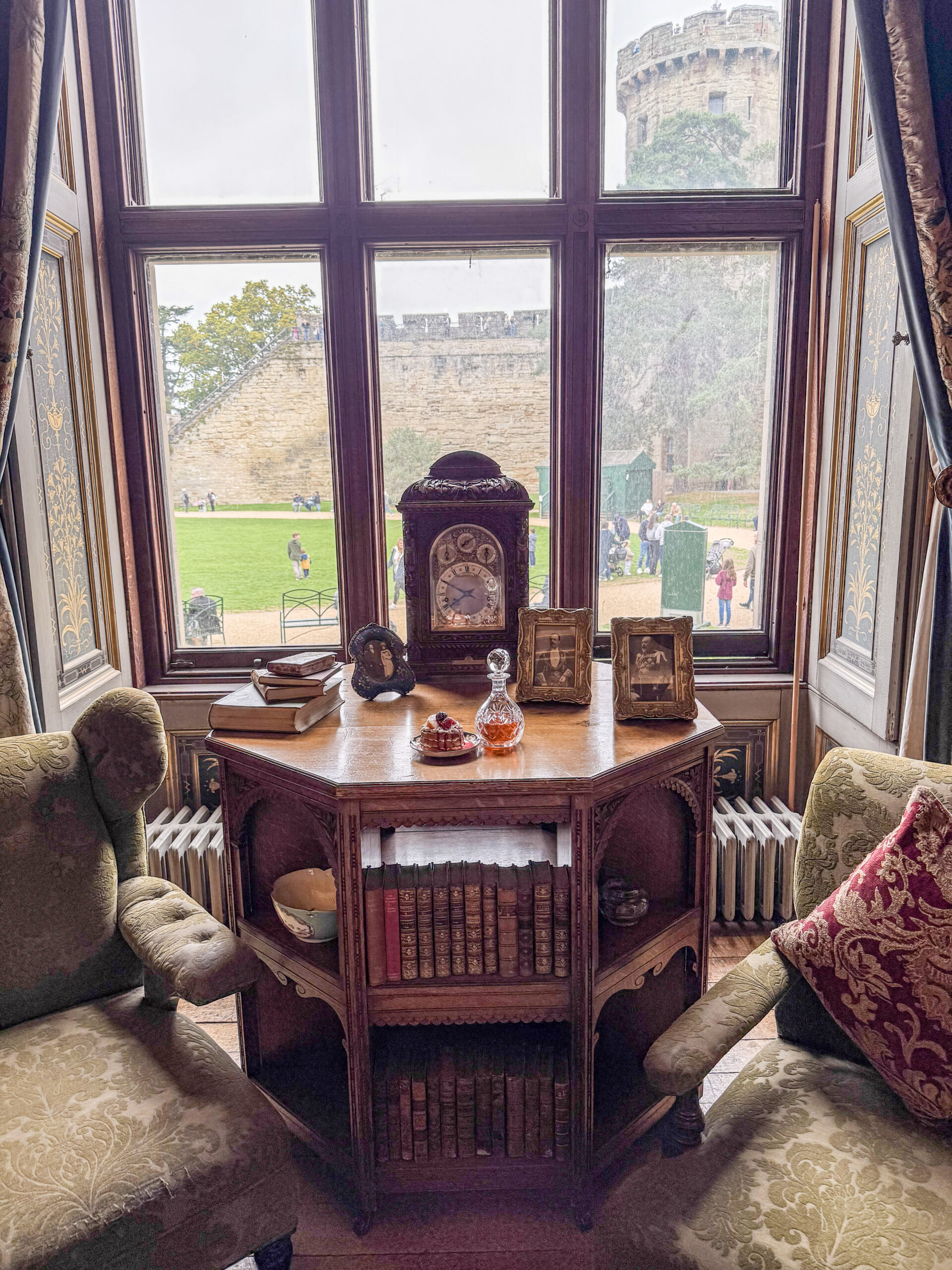
Our next stop after Stratford-upon-Avon was Warwick Castle, a medieval fortress built by William the Conqueror in 1068 in order to control a critical section of Britain’s longest Roman Road, Fosse Way (Warwick Castle Facts.) Past the castle gates, we saw children playing with wooden swords, heard medieval music blasting, and saw falcons sweeping down right above our heads.
Oxford
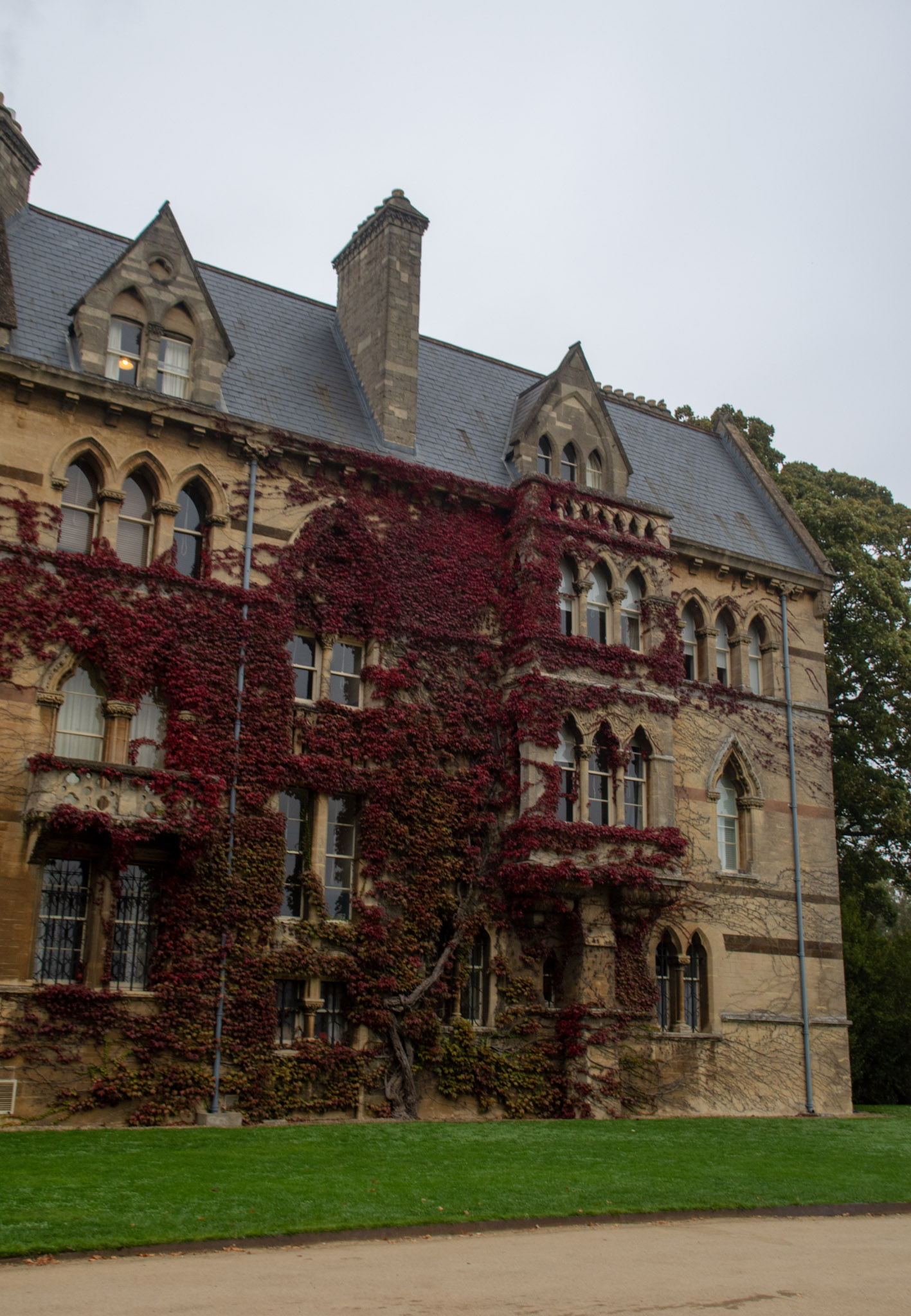
Visiting Oxford was my second favorite thing to do on this trip. Oxford, the oldest English university, comprises 43 architecturally beautiful colleges. One of the things Oxford University is most famous for is housing two famous authors: C.S. Lewis and J.R.R. Tolkien. Oxford is also famous for being the location for a number of scenes in the the Harry Potter movie franchise.
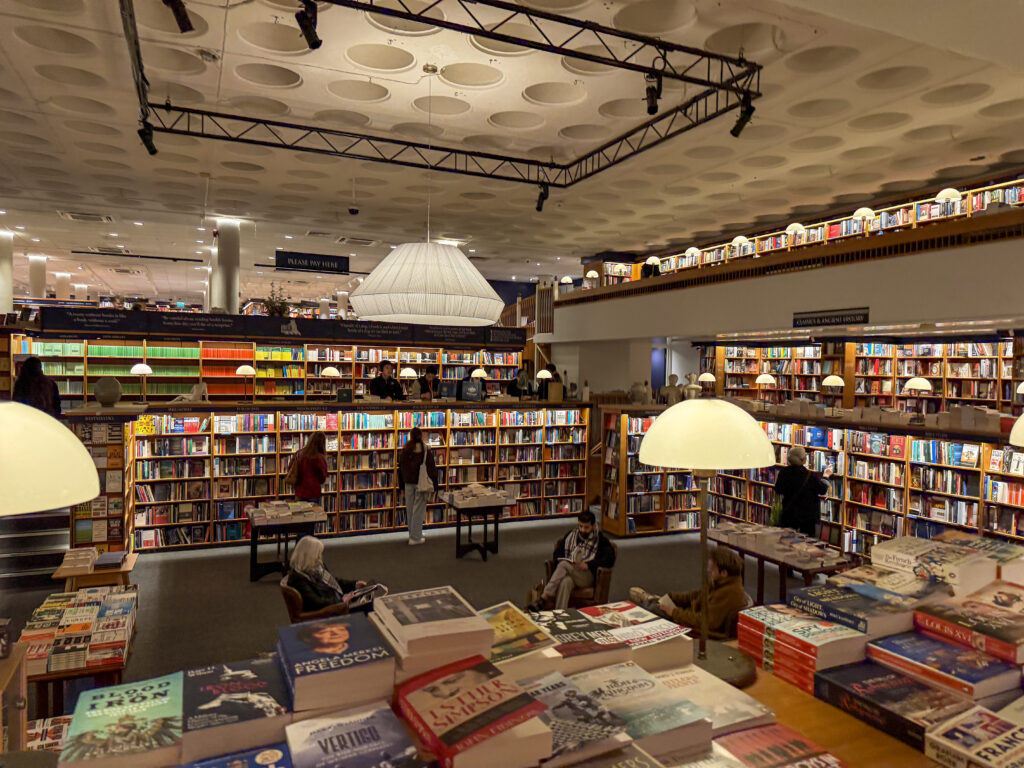
During our free time in the city, some of us went inside Oxford’s oldest bookstore, Blackwell’s, which was established in 1879. I spent more than an hour in the store, happily lost within its four stories of books, including a basement with three miles of bookshelves. I wished we had more time to spend there. I ended up getting three books and some for my friends.
London
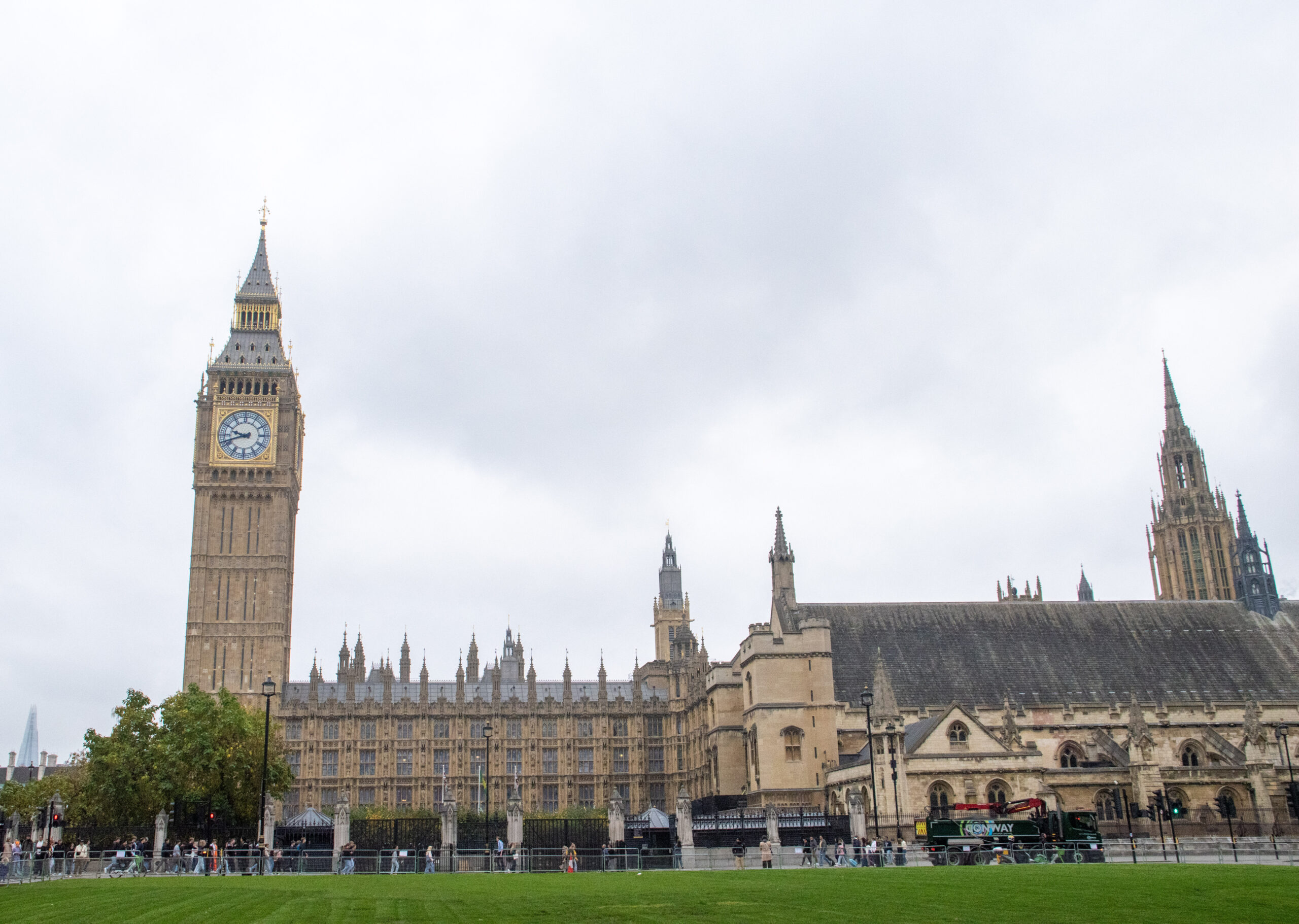
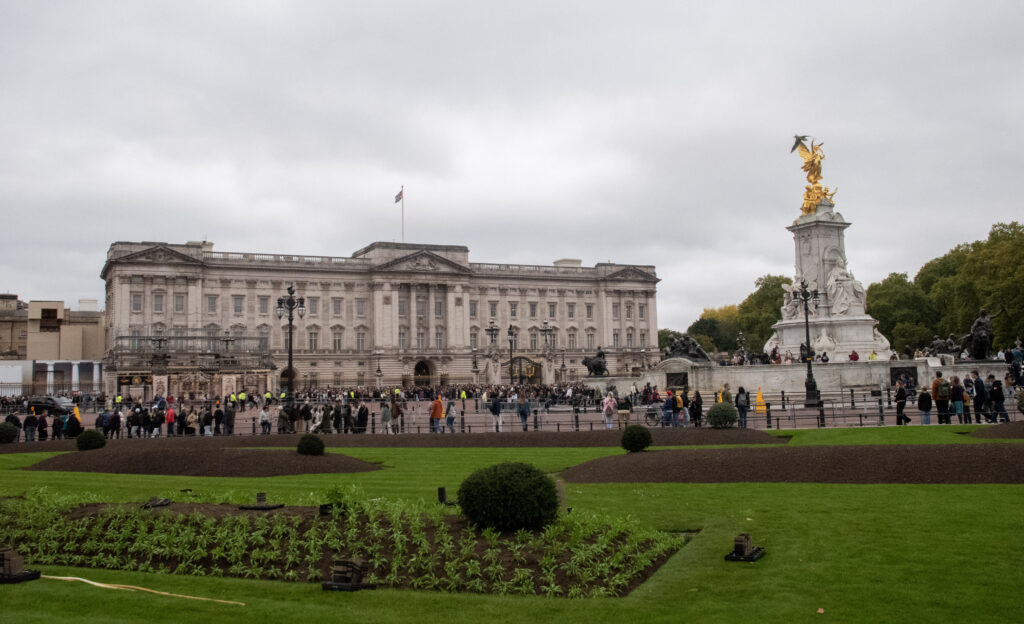
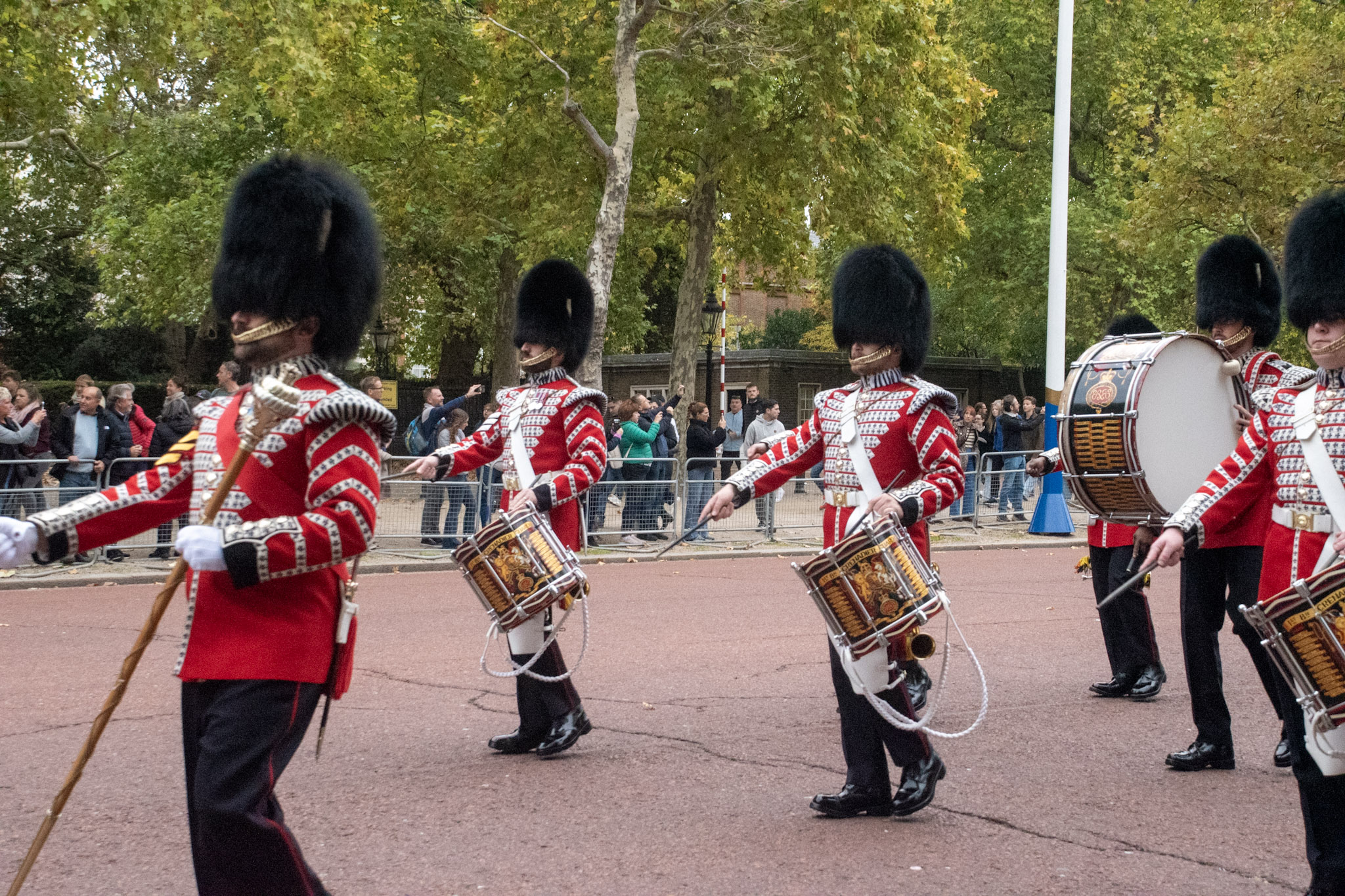
On our seventh day, our local guide led us through London, hitting famous landmarks such as the House of Parliament, Buckingham Palace, and the Big Ben. We learned that the Big Ben is the name of the bell that rings inside the Elizabeth Tower, which is often mistakenly called the Big Ben. Josh Watanabe and Vivien Wong, both seniors, agreed that walking through the big city was their favorite thing on the trip.
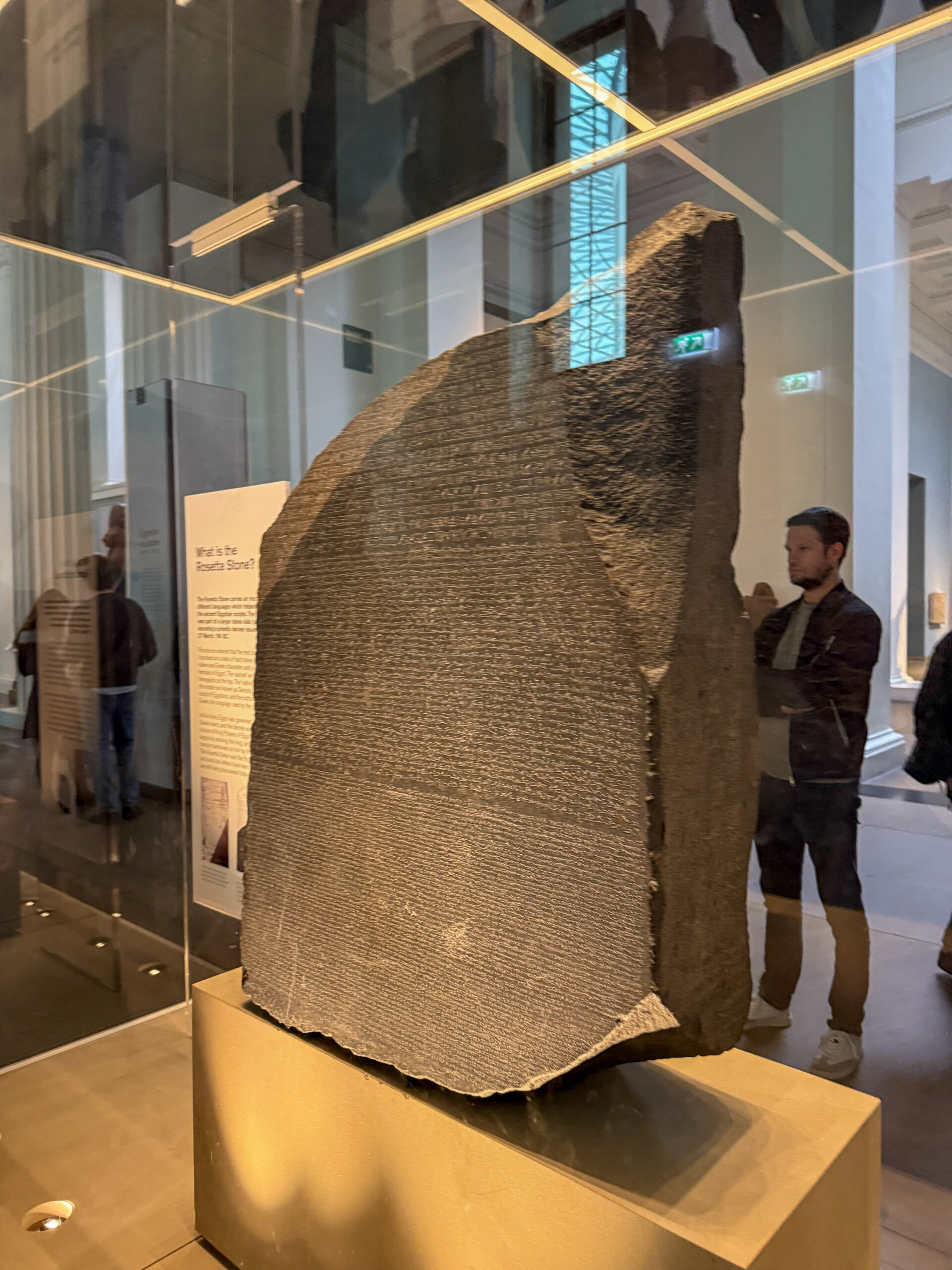
After the tour, we got two hours to explore the British Museum, which houses the Rosetta Stone and a collection of Egyptian mummies. Everyone on the trip will remember how junior Kingston Lowe bemoaned that he needed more than the two hours scheduled that day at the museum.
Despite Kingston’s protests, we left the museum behind and toured Shakespeare’s Globe theater, which was rebuilt in 1997 by American actor and director Sam Wanamaker. After dinner, we returned to the Globe to watch the Twelfth Night, which, unlike Measure for Measure, was set in Elizabethan times but with colorful and eclectic costumes. (Fun fact: Twelfth Night inspired the beloved rom-com She’s The Man.) That evening, as we headed back to our hotel in a water taxi on the Thames, there was much laughter and smiles from the play. Once we got back to the hotel, we sadly prepared for our last and final day in England. Seniors Lauren Okuda and Miah Nakamura expressed that they assumed they would be ready to go home by this point of the trip but found themselves longing for more time.

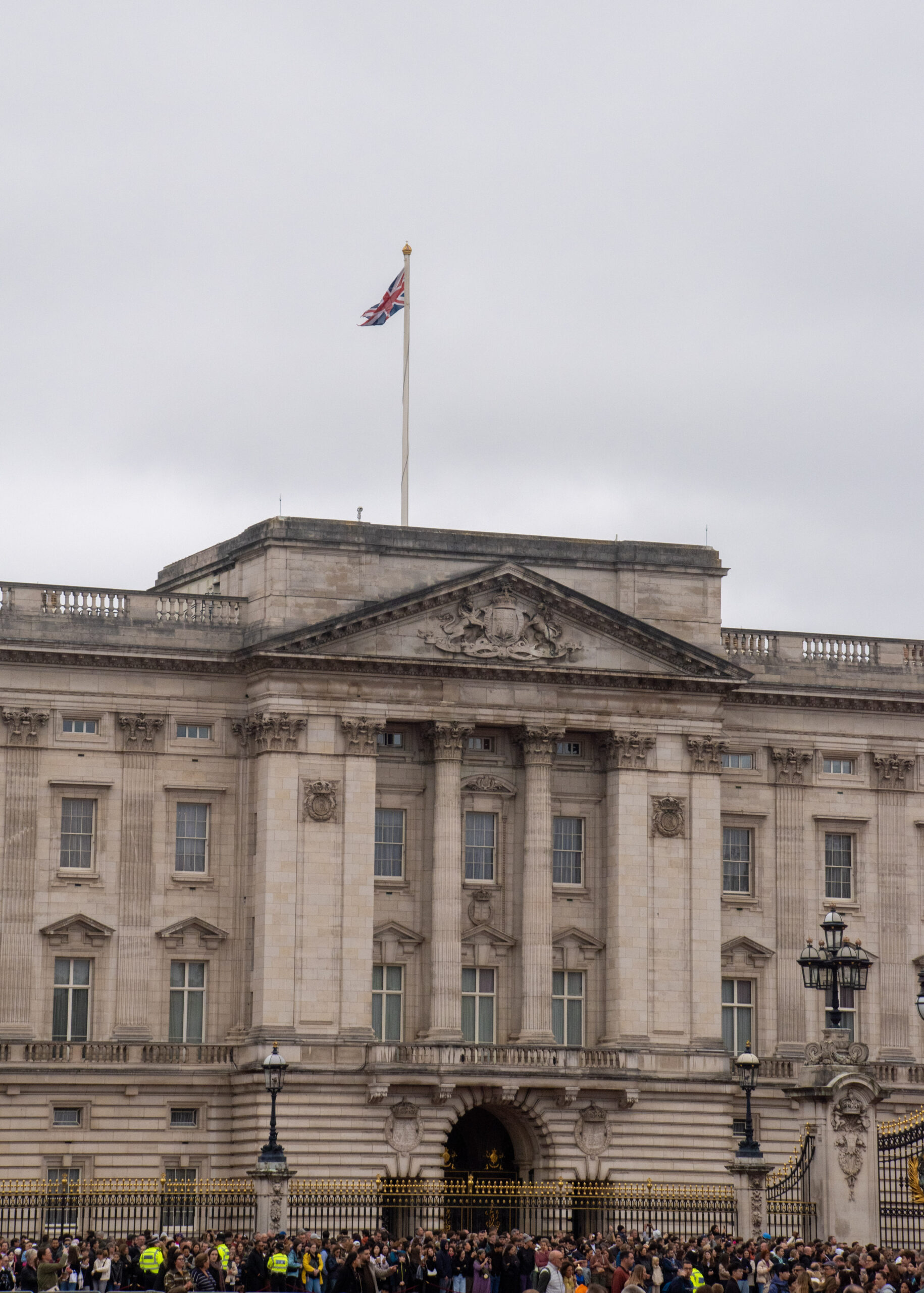
Photograph by Lauren Espiritu (’26)
Canterbury
Our literary pilgrimage came to an end in Canterbury. This was a new stop for the HBA England trip itinerary and it was added since the juniors’ read The Canterbury Tales. The scenery of our hour-long train ride into Canterbury slowly changed from tall buildings and brick houses, to fields of sheep and small cottages. We toured the famous Canterbury Cathedral, where Thomas Becket is buried. Junior Allison Kusuda shared that she was impressed by the architecture and stained glass windows of the cathedral. “[I like being able to] connect things back to the literature that we’re reading in English,” she said.
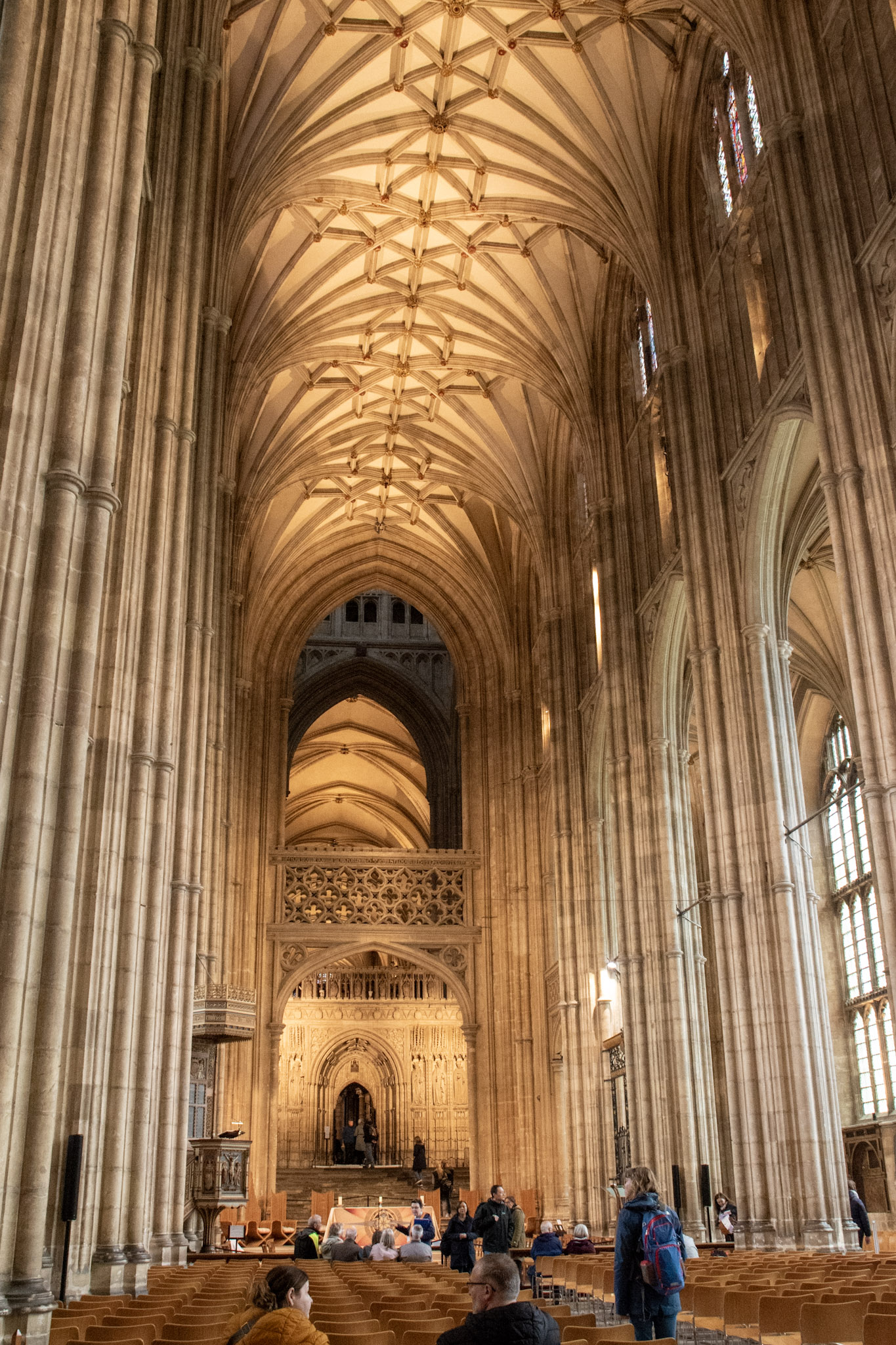
During our tour in the cathedral, we stopped at an engraved list of archbishops of Canterbury and spotted English teacher Jonathan Kempe’s name on the list. We subsequently found the archbishop’s tomb in the cathedral, which became a highlight for our Kempe.

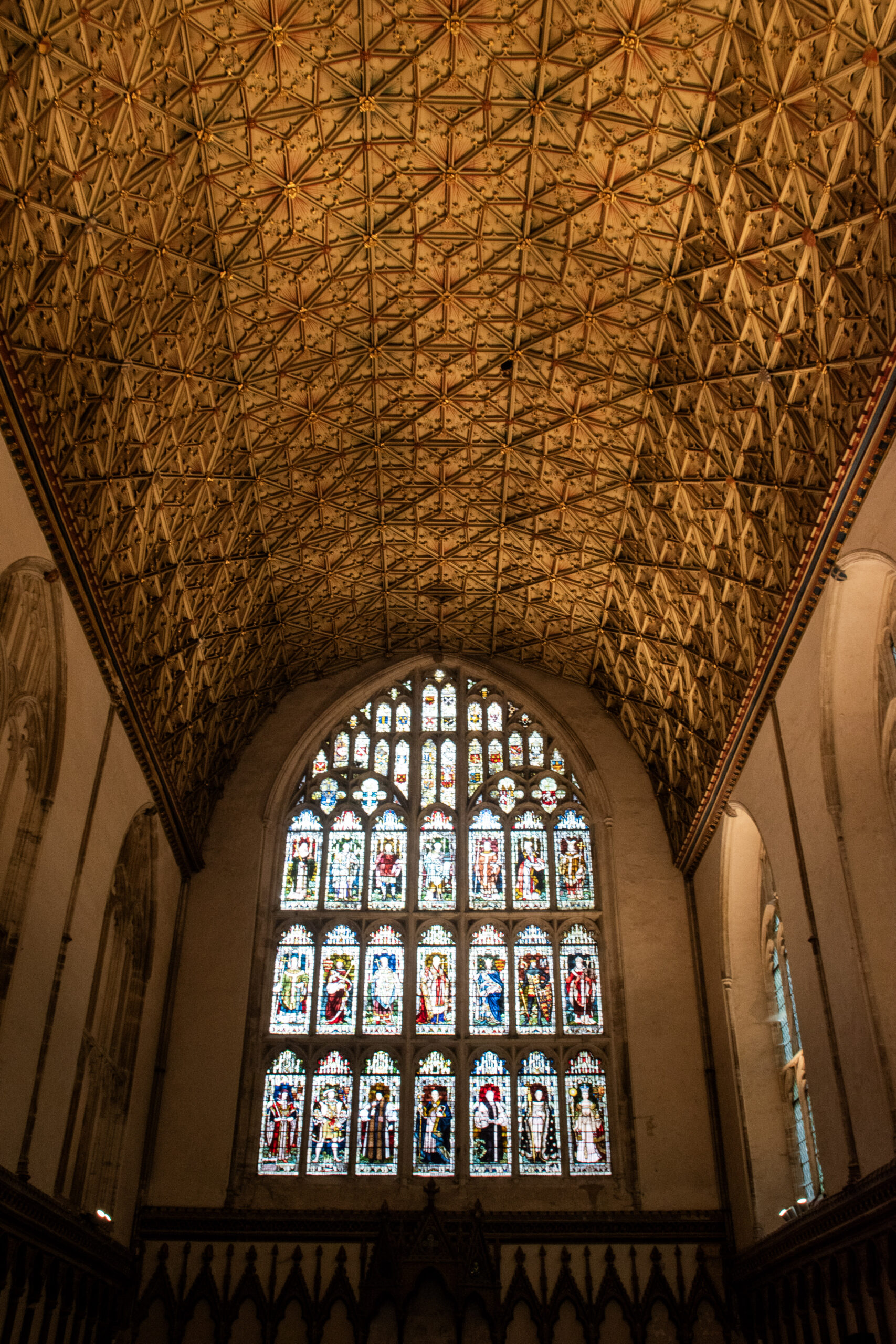
As the trip came to an end, many were found wishing to travel back to England in the future and appreciating English literature even more. As a senior, it felt rewarding to be able to connect the historical sites and plays to my four years of lengthy and arduous English classes. It was as if all the homework, studying, and essays in English class came to fruition. This trip allowed me to appreciate literary craft even more and I definitely want to return to England in the future!